
Ghostbusters: Afterlife
Ghostbusters: Afterlife is the most traditionally conservative blockbuster of 2021, and I mean that as a sincere compliment.…
Full analysis below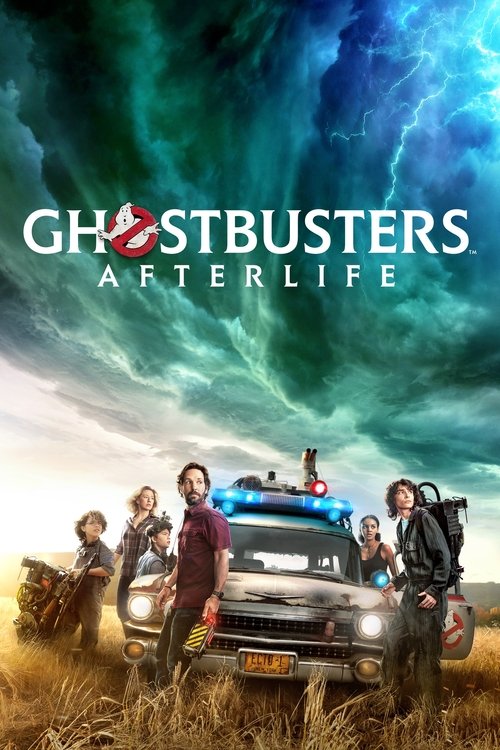
Ghostbusters: Afterlife is not a woke trap. This is a film that practically defines traditional values filmmaking: family legacy, father figures, small-town community, the courage to face genuine evil. The marketing was accurate and the film delivers exactly what it promised. Progressive audiences complained about its nostalgic conservatism, not its hidden agenda. Conservative viewers will find it a warm, well-made tribute to the original Ghostbusters franchise.
Ghostbusters: Afterlife is the most traditionally conservative blockbuster of 2021, and I mean that as a sincere compliment. It is a film about family legacy, the courage of children to honor their ancestors, and the importance of standing against genuine evil even when the world has stopped believing it exists. It made critics uncomfortable for exactly those reasons. Audiences loved it.
The critical reception, 63% on Rotten Tomatoes versus 90% audience approval, is one of the clearest critic-audience splits of 2021 and one of the most revealing. Critics called it 'nostalgia-bait' and 'fan service.' Audiences called it a great movie. The gap tells you everything about where mainstream film criticism sits versus where actual filmgoers do.
The story follows Callie Spengler, daughter of the late Egon Spengler, who moves with her two kids to a rundown Oklahoma farm after Egon's death. Phoebe, her 12-year-old daughter, is a science prodigy who slowly discovers her grandfather's Ghostbusters legacy and the supernatural threat he had been secretly monitoring alone for years. Trevor, her teenage son, finds connection through a summer job at a local drive-in and a growing friendship with a girl his own age. Callie meets Gary Grooberson, a seismology teacher who is also a Ghostbusters superfan, and a tentative romance develops.
What separates this from nostalgia cynicism is that it actually earns its callbacks. Director Jason Reitman treats his father's 1984 film not as a brand to exploit but as a tradition to honor. The Ecto-1, the proton packs, the trap, the PKE meter: each piece of original equipment is reintroduced with care and given a narrative purpose rather than just a knowing wink. Phoebe's relationship with the ghost of Egon Spengler, communicated through a chess game that continues to update on its own, is the film's most emotionally courageous choice. It takes the premise of literal ghostly connection between a grandfather and granddaughter and plays it completely straight, with no irony, no deflation, no winking at the audience. It works.
Mckenna Grace as Phoebe is the revelation of the film. She plays a 12-year-old who is socially awkward, genuinely brilliant, and desperate to understand a grandfather she never knew. Her arc from isolation to belonging is the real story here, and Grace handles it with impressive restraint. The scene where she first activates a proton pack in the school gym, alone, late at night, and begins to understand what she has inherited, is the best scene in any Ghostbusters film since 1984.
The traditional values are not incidental, they are structural. The entire film is built around the idea that we owe something to those who came before us, that legacy is real, that some things are worth protecting across generations. Egon Spengler died alone, estranged from his family and his former colleagues, because he stayed to fight a supernatural threat that no one else believed was coming. The film argues that this was not failure or tragedy but sacrifice, and that his descendants have inherited not just his tools but his obligation.
The villain is Gozer, returning from the 1984 original. There is something refreshingly old-fashioned about a film willing to treat its supernatural villain as genuinely evil rather than misunderstood. Gozer is not a metaphor for systemic oppression or a creature who can be redeemed if we just empathize with its perspective. It is an ancient god of destruction and it needs to be stopped. Period.
The film has real weaknesses. The pacing in the first hour is uneven, spending more time on small-town atmosphere than some viewers will want. Trevor's storyline is the weakest element and Finn Wolfhard, so good in Stranger Things, feels slightly miscast here. The humor is gentler than the original Ghostbusters, which had an edge that this film deliberately softens.
But the film's climax, which I will not fully describe for those who have not seen it, is one of the most emotionally earned moments in recent blockbuster filmmaking. The original cast's return is not a cameo. It is a reunion. And the tribute to Harold Ramis, to the character of Egon Spengler, is genuinely moving in a way that requires actual filmmaking craft, not just brand recognition.
The critical establishment punished Jason Reitman for making a film that reveres rather than deconstructs. Audiences rewarded him. That gap is worth thinking about.
Formula: Weighted Score = Severity × Authenticity Multiplier × Centrality Multiplier
🔴 Woke Tropes
| Trope | Severity | Authenticity | Centrality | Score |
|---|---|---|---|---|
| Female Lead in Classic Male Role | 2 | 0.7 | 1 | 1.4 |
| Single Mother as Default Family Structure | 2 | 1 | 0.5 | 1 |
| TOTAL WOKE | 2.4 | |||
🟢 Traditional Tropes
| Trope | Severity | Authenticity | Centrality | Score |
|---|---|---|---|---|
| Intergenerational Legacy and Duty | 5 | 0.7 | 1.8 | 6.3 |
| Genuine Evil Requires Genuine Courage to Fight | 4 | 0.7 | 1.8 | 5.04 |
| Father Figure Honored Posthumously | 4 | 0.7 | 1 | 2.8 |
| Community and Small Town Values | 3 | 0.7 | 0.5 | 1.05 |
| Male Romantic Lead Shown as Capable and Good | 3 | 0.7 | 0.5 | 1.05 |
| Child Characters Defined by Courage and Competence | 3 | 0.7 | 0.5 | 1.05 |
| TOTAL TRADITIONAL | 17.3 | |||
Score Margin: +15 TRAD
Director: Jason Reitman
CENTER to CENTER-RIGHT. Jason Reitman has made films across the political spectrum (Juno, Up in the Air, Tully) but Ghostbusters: Afterlife is by far his most traditional work. It is an explicit love letter to his father Ivan Reitman's original 1984 film, rooted in family legacy, small-town America, and the courage of ordinary people facing genuine supernatural threat. Reitman brought a personal reverence to the material that shows in every frame.Jason Reitman is the son of Ivan Reitman, who directed the original Ghostbusters (1984). Making this film was a deeply personal project, a tribute to his father's legacy and an attempt to restore the franchise after the divisive 2016 all-female reboot. Reitman's direction prioritizes character over spectacle, which some critics read as pacing problems but audiences responded to with genuine warmth. The film was dedicated to Harold Ramis, who died in 2014, and his presence is felt throughout.
Adult Viewer Insight
Conservative adults will find Ghostbusters: Afterlife unusually satisfying. It is one of the rare blockbusters that treats legacy as genuinely valuable rather than as something to subvert. The film believes in heroes, in family duty, in the importance of honoring those who came before. It believes that some things are actually evil and worth fighting. These are not controversial positions, but they are increasingly rare in studio filmmaking. The emotional climax will hit hardest for adults who watched the original 1984 film as children, but the film builds enough investment in its new characters that it works without nostalgia context. A clean watch with real emotional depth.
Parental Guidance
PG-13. Ages 10+. Supernatural frights without gore. No political or identity messaging. One of the best family films of 2021 for conservative households.
Find Ghostbusters: Afterlife on Amazon Prime Video, rent, or buy:
▶ Stream or Buy on AmazonAs an Amazon Associate, VirtueVigil earns from qualifying purchases.
Community Discussion 0
Subscribe to comment.
Join the VirtueVigil community to share your perspective on this review.