Lilo & Stitch
Here is something you don't say often about a Disney live-action remake: this one earns it.
Full analysis below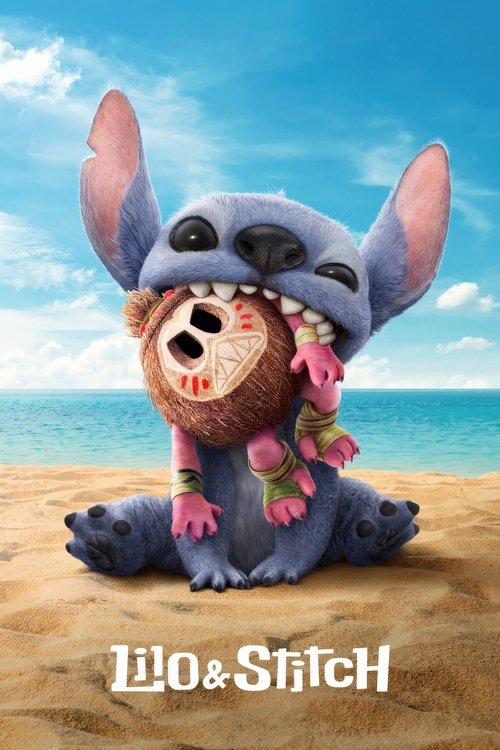
The film is a faithful live-action remake of a beloved 2002 animated film. Its pro-family, pro-sisterhood, Hawaiian cultural content is front and center from the opening scene. No hidden progressive agenda. The minor 'found family' framing is visible and consistent with the original film's explicit themes.
Here is something you don't say often about a Disney live-action remake: this one earns it.
Not because it breaks new ground. It doesn't. Director Dean Fleischer Camp (Marcel the Shell with Shoes On) essentially recreates the 2002 animated original in live action, scene by scene, beat by beat, with enough small additions to feel like a creative choice rather than pure merchandise. But the original film was good. Really good. And having Maia Kealoha as Lilo is reason enough to exist.
Let's talk about what this film is actually about, because the cultural conversation around it has been dominated by whether Stitch looks right and whether it changes the ending. The film is about two Hawaiian sisters trying to hold their family together after losing their parents. Nani, the older sister, is sacrificing her youth to raise Lilo, who is strange, lonely, and difficult. Social services are watching. Nani is terrified of losing her little sister. Lilo is terrified of being abandoned by her only remaining family. Both of them are right to be scared.
That is a genuinely conservative premise: family is everything, sisterhood is a sacred bond, parental absence creates damage that community must try to repair. The film does not treat this as a problem to be solved by a government program or a therapist. It treats it as a human crisis that can only be addressed through love, sacrifice, and stubbornness. Nani works a job she hates, fights with Lilo constantly, and refuses to give up on her. That is what family looks like in real life, and the film honors it.
The Hawaiian cultural context matters more here than in the original. The 2025 version leans into ohana, the Hawaiian concept of family as community, as organic culture rather than branding. Lilo's attachment to her culture, her music, her weirdness, her refusal to be like everyone else, is treated as something worth protecting rather than fixing. The film celebrates indigenous Hawaiian identity without turning it into a lecture. That is a real achievement for a Disney production in 2025.
Maia Kealoha is extraordinary. She is the kind of child performance that makes adults feel slightly ashamed for doubting the movie. She is not performing quirky. She is actually weird, actually funny, actually heartbreaking. Sydney Agudong as Nani carries the film's emotional weight and doesn't buckle under it. Chris Sanders reprising Stitch's voice is the right call. The CGI Stitch blends better with the live action than it has any right to.
The political audit: this film is about as clean as a 2025 Disney release can get. The 'found family' framing that some conservatives flag is present but inseparable from the original. The film does not introduce new woke elements. No gender ideology, no identity politics, no race-swapping of significance. The casting reflects Hawaii: the leads are Hawaiian and Asian American, which is culturally appropriate. David (Kaipo Dudoit) and Cobra Bubbles (Courtney B. Vance) are both Black, consistent with the original. Billy Magnussen plays Gantu, Hannah Waddingham plays the alien commander Hämsterviel. The casting is unremarkable.
The Slate controversy around the changed ending is worth addressing. The 2025 version alters the final scene to give Nani more agency in the decision to keep Lilo. Some critics read this as feminist revisionism. It isn't. The change makes Nani's sacrifice more active, which actually strengthens the film's central argument that family requires choosing each other, not just inheriting each other. If anything the new ending is more traditionally conservative in its emphasis on voluntary commitment over passive default.
Disney's live-action remake era has produced a lot of cynical cash grabs. This isn't one of them. It is a genuine act of craft, rooted in a film that was already about things worth caring about.
Formula: Weighted Score = Severity × Authenticity Multiplier × Centrality Multiplier
🔴 Woke Tropes
| Trope | Severity | Authenticity | Centrality | Score |
|---|---|---|---|---|
| Found Family Framework | 2 | High | Moderate | 1.4 |
| Government as Hostile Force Toward Family (Ambiguous) | 2 | Low | Low | 1.4 |
| Non-Western Spiritual Framework (Hawaiian Culture) | 2 | High | Low | 0.7 |
| TOTAL WOKE | 3.5 | |||
🟢 Traditional Tropes
| Trope | Severity | Authenticity | Centrality | Score |
|---|---|---|---|---|
| Sibling Bond as Sacred Obligation | 5 | High | High | 6.3 |
| Cultural Heritage and Indigenous Identity as Virtue | 4 | High | Moderate | 2.8 |
| Sacrifice and Self-Denial as Highest Love | 4 | High | Moderate | 2.8 |
| Traditional Community as Healing Force | 2 | Moderate | Low | 1 |
| TOTAL TRADITIONAL | 12.9 | |||
Score Margin: +8 TRAD
Director: Dean Fleischer Camp
CENTER-LEFT. Known primarily for the Oscar-nominated Marcel the Shell with Shoes On (2021), an earnest, gentle film about belonging and community. No strong political reputation. His public statements about this film focus on authenticity, Hawaiian culture, and honoring the original.Dean Fleischer Camp was an unusual choice for this film and turned out to be a smart one. His background in character-driven, emotionally grounded storytelling translated well to a film that lives or dies on its relationships. He leaned into practical location shooting in Hawaii and cast authentically from the Hawaiian community.
Adult Viewer Insight
Conservative adults who have been burned by recent Disney remakes will find genuine relief here. The film's values are the original film's values: family is sacred, losing a family member is tragedy, and the answer to loneliness is not self-expression but connection and community. Lilo's Hawaiian cultural identity is treated with respect rather than being softened for mainstream consumption. The social services plot thread, about government potentially separating sisters, is handled with genuine moral seriousness. The film understands that family structure matters and that its absence leaves real damage. Adults will feel the weight of Nani's sacrifice in ways children won't.
Parental Guidance
PG. Standard Disney live-action adventure content. A scene where Stitch causes chaos and destruction may excite younger children. The backstory of Lilo and Nani's parents' deaths is handled with sensitivity but is emotionally present throughout. Social services threatening to separate sisters is a recurring tension some younger children may find anxious. One brief scene of mild peril. No sexual content, no language, no substance use. The film depicts a healthy though imperfect sibling relationship with honest conflict and genuine love. Recommended for all ages. Ideal for ages 5 and up.
Find Lilo & Stitch on Amazon Prime Video, rent, or buy:
▶ Stream or Buy on AmazonAs an Amazon Associate, VirtueVigil earns from qualifying purchases.




Community Discussion 0
Subscribe to comment.
Join the VirtueVigil community to share your perspective on this review.