
The Matrix
The Matrix is the most politically contested movie in VirtueVigil history, not because it is propaganda but because everybody wants to own it.
Full analysis below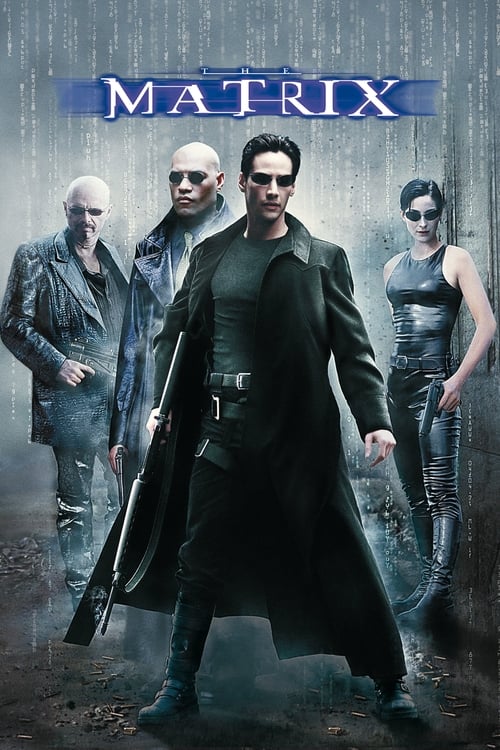
NOT A WOKE TRAP. The Matrix's rebellion-against-authority framework and its philosophical underpinnings are visible from the opening scene. Neo's dissatisfaction with the system, Morpheus's counter-cultural movement, and the film's overall anti-establishment posture are front and center. Additionally, the Wachowski sisters' later-confirmed transgender reading of the film does not retroactively make it a trap. In 1999, the film was received primarily as a sci-fi action thriller. Its traditional elements (male heroism, self-sacrifice, brotherhood, the search for truth) dominate the viewing experience. The woke subtext requires active excavation. Conservative audiences watched this film millions of times and loved it. That reaction is valid and not manipulated.
The Matrix is the most politically contested movie in VirtueVigil history, not because it is propaganda but because everybody wants to own it.
Conservatives have spent 25 years treating the red pill as their own metaphor. Taking the red pill means waking up to uncomfortable truths: about media bias, about institutional capture, about the lies the establishment tells you. Andrew Breitbart used it. Jordan Peterson referenced it. Elon Musk tweeted it at Ivanka Trump (who was not pleased). The alt-right built an entire vocabulary around it. The 'matrix' as a metaphor for leftist cultural dominance became one of the most pervasive concepts in modern right-wing thought.
The Wachowskis have spent the same 25 years pointing out that the red pill was never theirs. Lilly Wachowski confirmed in 2020 that the film was intended as a transgender metaphor. The red pill is an estrogen pill (the hormone used in gender transition). Neo's journey from Thomas Anderson to Neo is a coming-out narrative. The Matrix is the closet. Waking up is transition. The machines are the cis-normative society that wants you to stay asleep in your assigned identity.
Both readings are real. This is what makes The Matrix worth taking seriously instead of simply scoring and moving on.
Here is what the film actually shows, regardless of authorial intent. A young man named Thomas Anderson feels profoundly alienated from the world as it is presented to him. He is offered a choice between comfortable ignorance and painful truth. He chooses truth. He discovers that the world he knew was a simulation designed to keep human beings docile while machines harvest their energy. He joins a resistance movement, discovers he has special abilities, and eventually sacrifices himself to destroy the system's greatest enforcer, only to be resurrected and ascend to a new level of power. His mentor tells him he is The One: a messianic figure whose arrival has been prophesied.
This is a story about a male hero who fights a corrupt system, discovers his true nature, sacrifices himself, is resurrected, and defeats evil. Strip away the ideology and the Gnostic cosmology and you have a narrative structure that Joseph Campbell codified and that appears in the Gospels. The messianic framework is not coincidental. The film name-drops Nebuchadnezzar (the ship) and various biblical references. The Oracle is a prophet. Morpheus is a believer who has waited his whole life for the promised savior. Cypher is Judas. The parallels are deliberate and systematically worked through.
Keanu Reeves was the right choice for this role for reasons most critics have missed. Neo's emotional flatness is not bad acting. It is accurate. He is a man who has lived his entire life with the subconscious awareness that something is wrong, and that awareness has produced a person who cannot fully commit to his own existence. The moment he takes the red pill and begins to understand what has been done to him, Reeves's performance shifts. He is still not particularly expressive. But there is an aliveness in the action sequences that was absent in the office scenes, and that contrast is the point.
Laurence Fishburne's Morpheus is the film's moral anchor. He is a true believer, a man who has organized his entire life around a prophecy that may or may not be coming true, and who puts his crew at risk because he believes. His faith is rewarded. His reward is also the film's thesis: the institutions of this world are corrupt and designed to control you, but the truth is worth any cost to access.
Hugo Weaving's Agent Smith is one of American cinema's great villains. He hates humanity. He hates the Matrix. He wants out of this assignment, this world, this existence. His disgust is not ideological. It is existential. Weaving plays him as a bureaucrat who has finally become honest about what bureaucracy requires, and the honesty has curdled into contempt. Smith is more interesting than most heroes because he is telling a version of the truth: the human world is chaotic, irrational, and difficult to manage. He is just drawing the wrong conclusion about what to do about it.
Where does this leave conservative viewers? Comfortable, mostly. The Matrix's specific political targets in 1999 were corporate conformity, information control by elites, and the numbing of human consciousness through entertainment and comfort. These are conservative targets as much as progressive ones. The film's aesthetic inspiration was cyberpunk literature, which is ideologically ambiguous. Its philosophical debt to Plato and Descartes is timeless. Its hero is a man. Its villain is a system that wants men to stay compliant and docile.
The transgender reading, confirmed by one of the directors and plausible in retrospect, does not retroactively transform the film into a piece of gender ideology. The metaphor works for identity awakening of any kind. Religious conversion. Leaving a cult. Political awakening. Coming out of the closet in any direction. The Wachowskis loaded the gun, but every viewer who has ever felt that the world as presented to them was incomplete has pulled the trigger on their own experience.
TRADITIONAL LEAN is the right verdict here. The messianic hero, the self-sacrifice and resurrection, the brotherhood and loyalty between crew members, and the film's insistence that truth is worth any cost all push the traditional score higher. The anti-authority framework, the Wachowskis' confirmed progressive intent, and the film's explicit critique of compliant conformity push the woke score up. The math comes out positive but not overwhelmingly so. This is a film that belongs to everyone who has ever suspected the world was lying to them, regardless of which direction they looked for truth.
Formula: Weighted Score = Severity × Authenticity Multiplier × Centrality Multiplier
🔴 Woke Tropes
| Trope | Severity | Authenticity | Centrality | Score |
|---|---|---|---|---|
| Anti-Authority / System-Rebellion Framework | 3 | 0.7 | 1.8 | 3.78 |
| Anti-Conformist Counterculture Aesthetic | 2 | 1 | 1 | 2 |
| Transgender Identity Allegory (Director-Confirmed) | 3 | 0.7 | 0.5 | 1.05 |
| TOTAL WOKE | 6.8 | |||
🟢 Traditional Tropes
| Trope | Severity | Authenticity | Centrality | Score |
|---|---|---|---|---|
| Male Messianic Hero / Chosen One | 4 | 0.7 | 1.8 | 5.04 |
| Truth Over Comfortable Lies as Core Value | 4 | 0.7 | 1.8 | 5.04 |
| Brotherhood and Crew Loyalty | 3 | 0.7 | 1 | 2.1 |
| Self-Sacrifice as Ultimate Virtue | 3 | 0.7 | 1 | 2.1 |
| TOTAL TRADITIONAL | 14.3 | |||
Score Margin: +7 TRAD
Director: Lilly Wachowski & Lana Wachowski
LEFT to FAR LEFT. Both Wachowski sisters are transgender women who have spoken extensively about the film's allegorical connection to transgender identity. Lilly Wachowski confirmed in 2020 that the film 'was born out of a lot of longing and ideas about transformation' and was intended as 'a very trans metaphor.' However, this reading was not public knowledge in 1999, and the Wachowskis' later work (Sense8, The Matrix Resurrections) shows how far left their filmmaking can tilt when given full creative latitude. The original Matrix benefits from Hollywood constraints that forced the ideology to stay subtext rather than text.Lilly and Lana Wachowski made their directorial debut with Bound (1996) and followed it with The Matrix (1999), which became one of the most influential science fiction films ever made. The Matrix created or popularized visual effects techniques (bullet time), stylistic choices (green-tinted color grading), and philosophical conceits (the simulation hypothesis, the red pill/blue pill choice) that permeated global culture. The siblings subsequently directed The Matrix Reloaded (2003) and The Matrix Revolutions (2003) to diminishing critical and commercial returns. Lana Wachowski returned to the franchise with The Matrix Resurrections (2021), which received mixed reviews. Other notable Wachowski projects include Speed Racer (2008), Cloud Atlas (2012), and the Netflix series Sense8 (2015-2018).
Adult Viewer Insight
Conservative adults should revisit The Matrix with two thoughts in mind. First: the film's core argument, that comfortable lies are preferable to uncomfortable truths, is one conservatives make every day about media bias and institutional capture. The red pill metaphor was not stolen by the right. It was recognized by the right, because the film's target (a system designed to keep people docile and compliant while extracting value from them) is a target that cuts across ideological lines. Second: the Wachowskis' transgender reading is real and should be engaged with rather than dismissed. The question is not whether the metaphor was intended (it was) but whether a metaphor for identity awakening of any kind is inherently progressive. The answer is no. The metaphor applies to any awakening. That universality is why the film continues to resonate with audiences who would never accept its directors' stated intent.
Parental Guidance
Find The Matrix on Amazon Prime Video, rent, or buy:
▶ Stream or Buy on AmazonAs an Amazon Associate, VirtueVigil earns from qualifying purchases.
Community Discussion 0
Subscribe to comment.
Join the VirtueVigil community to share your perspective on this review.