
Wicked: For Good
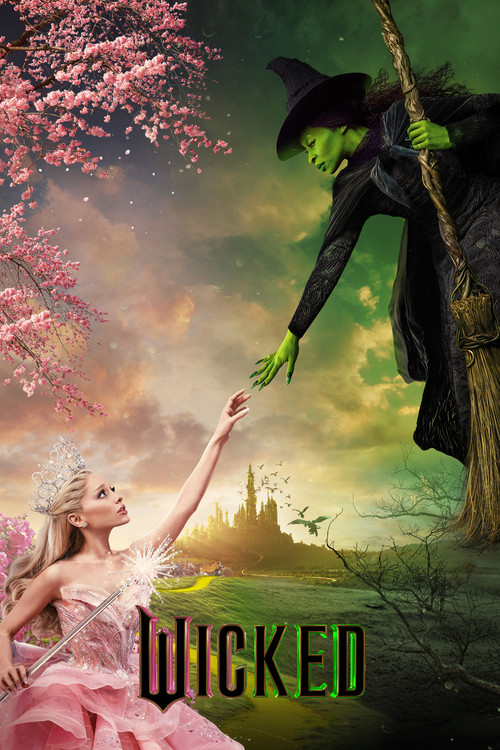
Wicked: For Good picks up where Part One left off, and the question facing conservative viewers is essentially the same: are you willing to sit through two and a half hours of progressive allegory in exchange for genuinely spectacular filmmaking? Because the filmmaking is spectacular.…
Full analysis below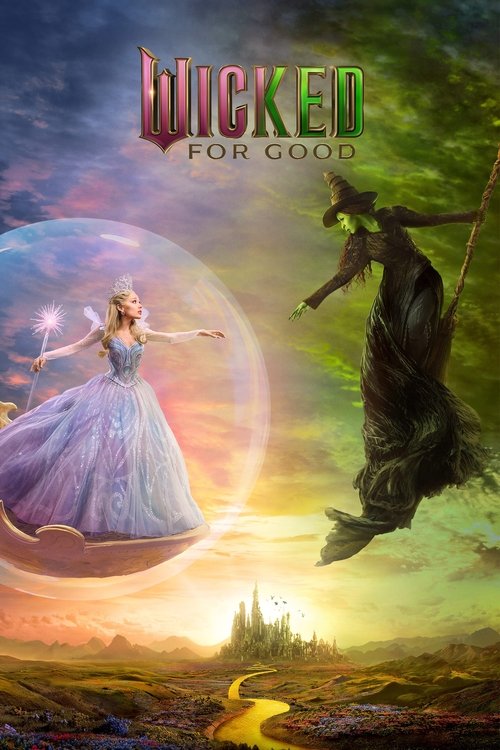
This film draws you in for a significant portion of its runtime with traditional or neutral content before springing its woke agenda. Know before you go!
If you saw Part One and read our review, nothing in For Good will surprise you. The ideological framework carries over completely. Jon M. Chu has not hidden his intentions at any point. Conservative viewers who enjoyed Part One while tolerating the politics will find the same bargain here.
Wicked: For Good picks up where Part One left off, and the question facing conservative viewers is essentially the same: are you willing to sit through two and a half hours of progressive allegory in exchange for genuinely spectacular filmmaking? Because the filmmaking is spectacular. And the allegory is relentless.
Cynthia Erivo delivers the performance of her career. Her "No Good Deed" is a vocal and dramatic achievement that ranks among the best musical performances committed to film this decade. Ariana Grande steps up significantly, selling Glinda's transition from complicity to moral reckoning with real anguish. Jonathan Bailey brings swashbuckling energy and genuine chemistry with Erivo.
The race allegory becomes more explicit. Elphaba, a Black woman playing a character persecuted for her skin, is now a full-blown fugitive from a fascist regime. The anti-authority framework reaches its conclusion: the Wizard is revealed as Elphaba's father, Morrible engineers a tornado that kills Nessarose, the Gale Force brutalizes Fiyero, and citizens are whipped into a mob frenzy. The queer coding in the "For Good" duet is staged with romantic intensity that goes well beyond platonic friendship.
Nessarose's arc introduces genuine moral complexity. She becomes a petty tyrant, enslaving Boq and refusing to let anyone leave Munchkinland. The film doesn't excuse her. Power corrupts, even well-meaning people.
The ending is worth noting: Elphaba fakes her death and leaves Oz forever, while Glinda stays to rebuild. The principled person must disappear. The compromiser gets to repair the damage. You can read this as tragic, realistic, or as a progressive fantasy about opting out of a broken system. All readings are valid.
$527 million worldwide against $150 million is a clear commercial success, though noticeably less than Part One. For Good is the better film of the two, but lacks Part One's novelty and showstopper moment.
Bottom line: well-made, emotionally powerful, and thoroughly progressive. The performances are outstanding, the music is excellent, the spectacle is real, and the ideology is baked into every frame.
| Trope | Category | Location | Authenticity |
|---|---|---|---|
| Race Allegory / Persecution Metaphor | WOKE | Throughout - Black actress hunted by white-coded fascist state for challenging power | Inherited from musical, amplified by casting choice |
| Anti-Authority / Systemic Corruption | WOKE | Throughout - every institution in Oz is corrupt: military, government, media, education | Organic to source material |
| Queer Coding / LGBTQ+ Subtext | WOKE | Multiple scenes, especially 'For Good' duet staged with romantic intensity | Present in source material, amplified by directorial choices |
| Weaponized Public Opinion | WOKE | Second half - citizens whipped into frenzy against Elphaba through propaganda | Directly from the musical |
| Feminist Liberation Narrative | WOKE | Throughout - both women make identity-defining choices independent of men | Faithful to the musical |
| Victimhood Framing | WOKE | Third act - Elphaba surrenders, concluding that fighting the system is futile | Directly from the musical |
| Director's Political Framing | WOKE | External - Chu compared Wizard to political figures in press interviews | External to the film |
| Redemption Through Love | TRADITIONAL | Throughout - Fiyero sacrifices everything for Elphaba, traditional love story played straight | Faithful to the musical |
| Power Corrupts | TRADITIONAL | Nessarose and Wizard arcs - both undone by their own choices with power | Faithful to the musical and Oz mythology |
| Female Friendship / Loyalty | TRADITIONAL | Throughout, climaxing in 'For Good' - loyalty transcends political differences | Core of the musical since 2003 |
| Sacrifice for the Greater Good | TRADITIONAL | Final act - Elphaba fakes death, sacrifices identity so Glinda can rebuild | Faithful to the musical |
| Consequences of Moral Compromise | TRADITIONAL | Glinda's arc - years of complicity with Wizard's regime haunt her | Faithful to the musical |
Director: Jon M. Chu
PROGRESSIVE - compared Wizard to Trump in interviewsTaiwanese-American filmmaker whose career runs from dance films (Step Up) through cultural milestone projects (Crazy Rich Asians, In the Heights). Technically gifted with strong sense of spectacle. Openly progressive in interviews.
Writer: Winnie Holzman and Dana Fox
Holzman wrote the original Broadway libretto. Fox co-wrote the screenplay adaptation. Ideological content is inherited from the musical.
Fidelity Casting Analysis ENHANCED
Faithful to Broadway tradition but not to the original novel. Cynthia Erivo as a Black Elphaba foregrounds race as a deliberate interpretive choice.
The casting is consistent with the Broadway production, where many Elphabas have been women of color. But the novel by Gregory Maguire describes Elphaba with green skin and no racial dimension. The film explicitly foregrounds race. Erivo is exceptional regardless of framing. Grande is perfectly cast as Glinda. Jonathan Bailey brings swashbuckling energy to Fiyero. Jeff Goldblum's quirkier take on the Wizard is a tonal departure from the stage version but works as commentary on how charm masks evil.
Adult Viewer Insight
Conservative adult viewers who enjoyed Part One will find more of what they liked and more of what concerned them. The performances are stronger, the emotional stakes higher, and the music better deployed. The political content is also more concentrated. Enjoy the spectacular filmmaking, appreciate the extraordinary vocal performances, and recognize that the progressive framework is inseparable from the story. If you made your peace with Part One, this is the more rewarding of the two films.
Parental Guidance
Violence: Moderate. Fiyero beaten by guards (implied, not shown). Tornado kills Nessarose. Language: Clean, no profanity. Sexual Content: Minimal. Brief kiss, implied love scene. Scary Content: Mob scenes may frighten younger viewers. "No Good Deed" is emotionally intense. Age 8+ for musical content, 10+ for full appreciation. Discussion Guidance: Rich material for family discussions about standing up for what's right, the cost of moral compromise, and recognizing messages in stories.
Find Wicked: For Good on Amazon Prime Video, rent, or buy:
▶ Stream or Buy on AmazonAs an Amazon Associate, VirtueVigil earns from qualifying purchases.


Community Discussion 0
Subscribe to comment.
Join the VirtueVigil community to share your perspective on this review.