
Normal
Normal is exactly the kind of film its title ironically promises it is not: a small-town sheriff thriller that starts quiet and escalates into organized crime warfare, with Bob Odenkirk doing what he now does better than almost anyone in Hollywood.
Full analysis below
Normal (2026) does not qualify as a woke trap under VVWS v1.1. A woke trap requires an actual woke score with a negative margin. This film carries a +14.28 TRAD margin and a TRADITIONAL verdict. The woke signals present, primarily the corrupt institution trope and the sympathetic criminal allies, are genre-organic elements of the crime thriller form rather than ideological injections. Ben Wheatley has made films with leftist subtext before, most obviously High-Rise. Normal does not appear to follow that template. The town's corruption is the villain, not a critique of American capitalism or traditional institutions as such. The sheriff stands against that corruption using traditional masculine competence. No trap here.
Normal is exactly the kind of film its title ironically promises it is not: a small-town sheriff thriller that starts quiet and escalates into organized crime warfare, with Bob Odenkirk doing what he now does better than almost anyone in Hollywood.
The setup is deceptively simple. Ulysses arrives in Normal, Minnesota as an interim sheriff. A snowbound town with a population that barely registers on a census form. The kind of place where the biggest law enforcement concern should be a fender bender on an icy road. But from the first frame, nothing about Normal is normal. An opening sequence set in Japan establishes a Yakuza connection that will thread through the entire film. The town's mayor, played by Henry Winkler with an unsettling warmth that makes his corruption feel genuinely dangerous, is involved in something far larger than small-town politics.
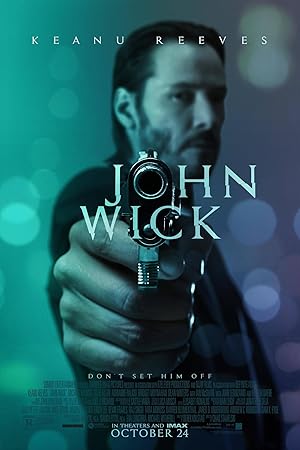
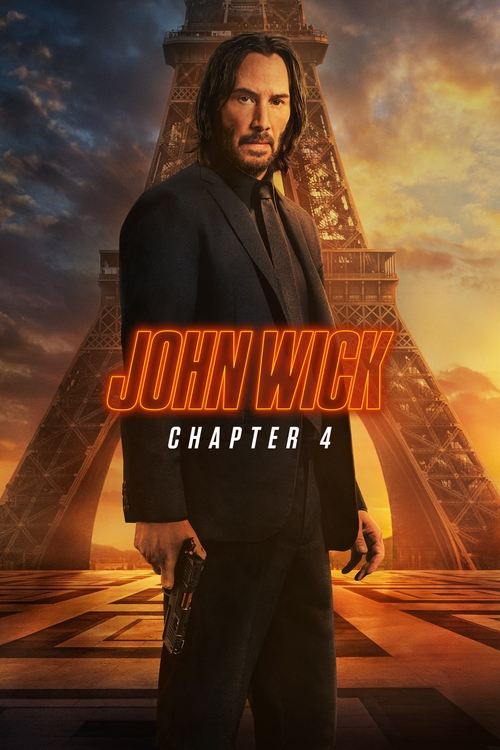
Derek Kolstad wrote this. The man who created John Wick. The man who wrote Nobody, the film that proved Bob Odenkirk could credibly break bones on screen. Kolstad's structural DNA is all over Normal: a competent man enters a corrupt environment, identifies the rot, and systematically dismantles it through applied violence and moral certainty. The difference between Kolstad's heroes and most contemporary action protagonists is that Kolstad's men are not conflicted about the necessity of force. They are not tormented by it. They are precise about it. Ulysses does not monologue about the burden of violence. He identifies the threat and he acts.
Ben Wheatley directs, and this is Wheatley in craftsman mode rather than auteur mode. His camera work, aided by Armando Salas's cold blue-and-amber cinematography, treats the Minnesota snowscape as both a character and a weapon. The comparison to Fargo is inevitable and earned. Both films understand that violence becomes more shocking when it erupts from tranquility. Where the Coens used Minnesota's placid surface for darkly comic purposes, Wheatley uses it for genre tension: you can feel the violence building under the snow like a fault line.
The ensemble is genuinely impressive. Winkler as Mayor Kibner is the standout surprise. He takes the warmth and approachability that made him America's Fonzie and weaponizes it. When Kibner smiles at Ulysses, you believe both the friendliness and the threat underneath it. Lena Headey plays Moira, a bartender who knows more about the town's real operations than anyone in uniform. Brendan Fletcher and Reena Jolly play Keith and Lori, a pair of failed bank robbers who accidentally stumble into the middle of the conspiracy and become reluctant allies to the sheriff. Their arc provides the film's comic relief and its most human moments.
What makes Normal work from a values perspective is its moral architecture. The film is built on a premise that is fundamentally traditional: a lone lawman arrives in a corrupt town and restores order through competence, courage, and an unwillingness to be bought or intimidated. This is the High Noon archetype. It is the structural backbone of the Western genre. Kolstad has simply transplanted it to modern Minnesota and added Yakuza money laundering as the corruption mechanism.
The woke signals in Normal are minimal and genre-organic. Yes, the film depicts corrupt institutions. But the corruption is the villain, not a commentary on American systems as inherently broken. The sheriff is not fighting against the system; he is fighting to restore the system to its legitimate function. That distinction matters enormously. A woke institutional critique says the system itself is the problem. Normal says the people who corrupted the system are the problem, and one good man with a badge can clean it up. That is a traditional message.
Clint Mansell's score deserves mention. The Requiem for a Dream composer brings his signature sustained dread to Normal's quieter passages, making the moments before violence feel like the air before a thunderstorm. When the action explodes, the score pulls back and lets the gunfire and impact sounds carry the scene. It is restraint in service of impact.
Normal premiered at TIFF 2025 in the Midnight Madness section, which is exactly where it belongs. It is a genre film made with intelligence and craft, not a prestige picture pretending to be important. It knows what it is and it delivers on that promise with precision. For audiences who loved Nobody and wanted to see Odenkirk in another role where quiet competence erupts into decisive violence, Normal is the answer.
The 90-minute runtime is a feature, not a limitation. Kolstad and Wheatley waste nothing. Every scene builds toward the climactic confrontation, and when it arrives, the violence is earned by everything that preceded it. This is efficient, muscular filmmaking from people who respect the audience's time and intelligence.
Formula: Weighted Score = Severity × Authenticity Multiplier × Centrality Multiplier
🔴 Woke Tropes
| Trope | Severity | Authenticity | Centrality | Score |
|---|---|---|---|---|
| Estranged wife / broken marriage | 2 | Medium | Low | 0.7 |
| Corrupt local institution / anti-authority | 3 | High | High | 3.78 |
| Sympathetic criminal antiheroes as allies | 3 | Medium | Moderate | 2.1 |
| International organized crime with anti-capitalist subtext | 2 | Medium | Moderate | 1.4 |
| TOTAL WOKE | 8.0 | |||
🟢 Traditional Tropes
| Trope | Severity | Authenticity | Centrality | Score |
|---|---|---|---|---|
| Lone lawman stands against corruption (High Noon archetype) | 5 | High | High | 6.3 |
| Duty and honor despite personal cost | 4 | High | High | 5.04 |
| Small-town Americana setting as moral landscape | 3 | High | Moderate | 2.1 |
| Rule of law vs. entrenched corruption | 4 | High | High | 5.04 |
| Individual competence and self-reliance | 3 | High | High | 3.78 |
| TOTAL TRADITIONAL | 22.3 | |||
Score Margin: +14.28 TRAD
Director: Ben Wheatley
MIXED LEANING WOKE. Wheatley's body of work contains real ideological variance. Kill List (2011) is a brutal, morally bleak horror-thriller with no clear ideological agenda. Sightseers (2012) is a dark comedy that skewers working-class English tourism culture. High-Rise (2015) is an explicit class-warfare allegory adapted from J.G. Ballard's novel, the most politically charged film in his career. Free Fire (2016) is a contained action-comedy gunfight with no discernible ideology. Rebecca (2020) is a glossy adaptation with minor woke casting signals. Meg 2 (2023) is a blockbuster-for-hire with no political content. Normal reads as Wheatley operating in genre-craftsman mode, similar to Free Fire, rather than in ideological-filmmaker mode, similar to High-Rise. When Wheatley is handed a script by Derek Kolstad and a premise about a lone sheriff fighting corruption, the ideological freight is determined by the script, not the director's personal politics. Kolstad's scripts are ideologically traditional by structure. Normal is the result of that combination.Ben Wheatley is a British filmmaker born in Essex in 1972 whose career spans micro-budget horror (Kill List), dark comedy (Sightseers), literary adaptation (High-Rise, Rebecca), franchise blockbuster work (Meg 2), and now the Odenkirk action-thriller collaboration on Normal. His range is genuine. He is not a genre-locked director, and he is not an ideologically locked director. He works with the material in front of him. High-Rise is the entry in his filmography most likely to make VirtueVigil readers nervous. It is a film that depicts a luxury apartment building descending into class warfare, adapted from Ballard's 1975 novel, with Wheatley's obvious affection for the material's anti-establishment energy. That energy is present. It is a legitimate left-leaning cultural signal in his creative identity. What Normal's reviews reveal is that he applied none of that energy here. The material called for a Fargo-influenced crime-comedy-thriller about institutional corruption in a small American town. Wheatley delivered genre craft. The political valence of Normal is Kolstad's, not Wheatley's, and Kolstad is about as apolitical as screenwriters get. He writes competent people doing violent things in service of justice or loyalty. That is what Normal is.
Adult Viewer Insight
Normal operates in a tradition of American genre filmmaking that has become endangered: the competent-man thriller. Ulysses is not an antihero. He is not morally compromised. He is not struggling with addiction, divorce-related guilt, or existential crisis. He is a professional who encounters a situation that demands his skills, and he applies them. In an era when Hollywood increasingly requires its protagonists to be broken, Normal offers a protagonist who is simply good at his job and willing to do it. That quiet confidence, the refusal to apologize for competence, is the film's most traditional quality and its most countercultural statement. For adult viewers tired of watching capable men be narratively punished for their capability, Normal is a corrective. The Derek Kolstad influence is decisive here: like John Wick, like Hutch Mansfield, Ulysses is a man whose capacity for violence exists in service of a moral framework, not in spite of one. The film respects that distinction and never undermines it.
Parental Guidance
Rated R for strong bloody violence throughout and language. Normal is an adult action thriller in the tradition of Fargo, No Country for Old Men, and the Nobody franchise. The violence is realistic and consequential rather than stylized. Multiple shootouts, physical combat, and graphic scenes of criminal violence, including a Yakuza finger-severing ritual in the opening sequence. Strong language throughout. Minimal sexual content. The film's themes of institutional corruption and criminal conspiracy require adult comprehension to fully engage with. Not appropriate for younger viewers. Mature teenagers 16+ who have engaged with similar genre films may find value in the clear moral framework: corruption is wrong, standing against it requires personal sacrifice, and competence in service of justice is heroic.
Find Normal on Amazon Prime Video, rent, or buy:
▶ Stream or Buy on AmazonAs an Amazon Associate, VirtueVigil earns from qualifying purchases.

Community Discussion 0
Subscribe to comment.
Join the VirtueVigil community to share your perspective on this review.